Physical Address
4401 Shallowford Road, Suite 166 #5002
Roswell, GA 30075
Physical Address
4401 Shallowford Road, Suite 166 #5002
Roswell, GA 30075
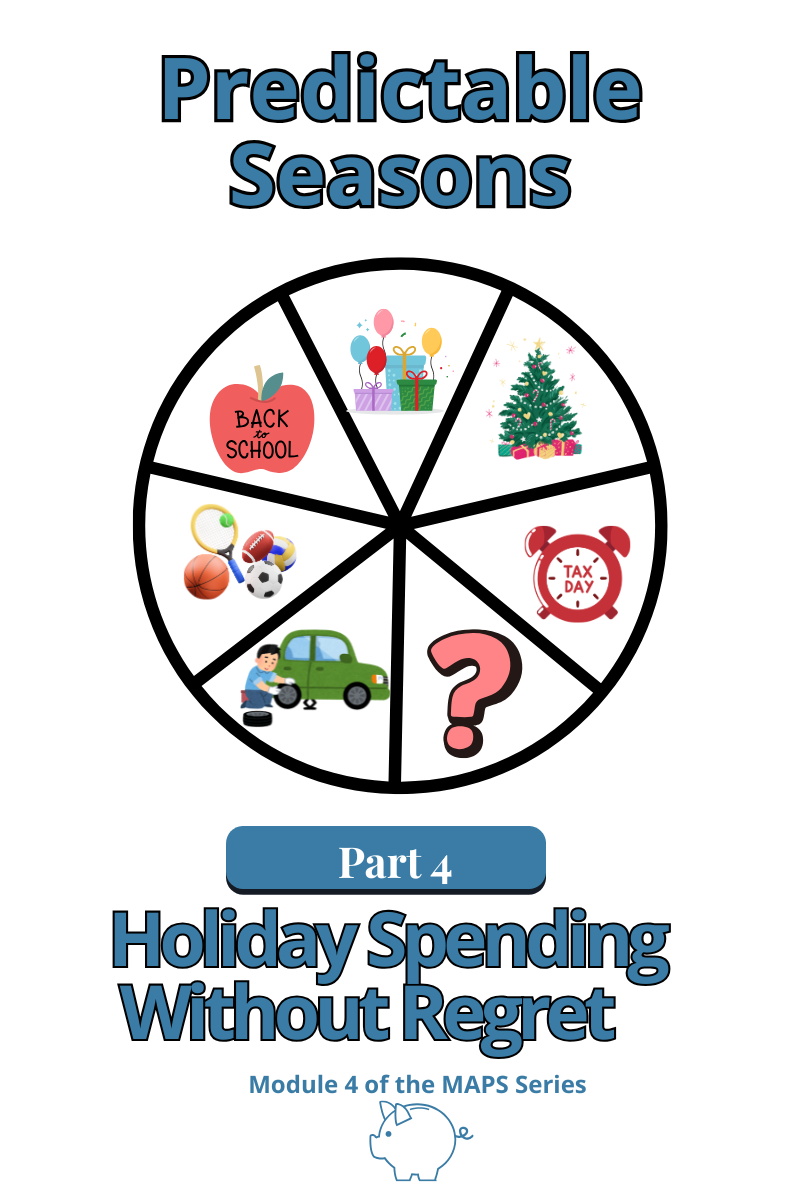
Money regret often hides behind good intentions. This is what intentional holiday spending really looks like – giving with purpose, not pressure.
We want to show love, create memories, and make people feel special but somewhere between the wish list and the receipt, things spiral.
It’s not because we don’t care about our money; it’s because we care deeply about people. But overspending doesn’t make the season more meaningful, it just adds stress to the new year.
When your budget reflects your values, the holidays start feeling different. The magic doesn’t come from what you spend, it comes from the peace of knowing you planned to spend it.
I created the Intentional Giving Guide to help you simplify holiday giving, stay on budget, and pick gifts that actually feel personal.
👉 Download the free guide here.
Prefer Instagram? Comment “gift” on my latest post and it’ll be sent to you instantly.
Strategies:
Why Intentional Holiday Spending Works:
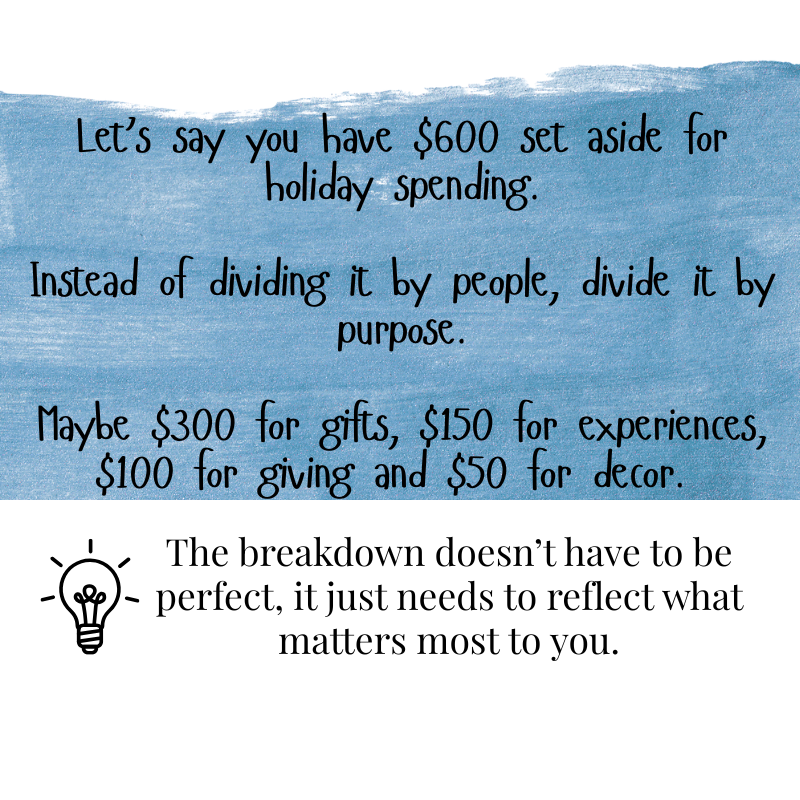
When you know your total holiday budget and where your dollars are going, the whole season feels calmer. You’re not reacting, guessing, or scrambling at the last minute. You’re choosing with confidence. Intentional spending removes the pressure to “get it perfect” and replaces it with clarity—clarity about what matters, what fits, and what truly feels meaningful. It also gives you room to enjoy the season without financial anxiety lingering in the background. A plan doesn’t restrict you; it protects you.
MAPS tie-in:
Intentional holiday spending isn’t about restriction, it’s about creating a season you can enjoy in real time and in January. When your money and values match, the whole holiday feels lighter.
Reflection:
Regret-free holidays aren’t about cutting joy, they’re about creating it on purpose.
When you give within your means, you’re not being stingy; you’re being steady. That’s the heart of intentional holiday spending – choosing gifts, moments, and memories that align with your values and your budget.
Imagine starting January calm, balanced, and debt-free, still enjoying the memories instead of paying for them. That’s what financial peace feels like: giving generously and wisely, without the emotional or financial hangover.
You don’t have to buy the best gift to give the best version of yourself.
👉 Before December starts, look at your total holiday budget. Assign every dollar a purpose and let your plan protect your peace. When you approach the season with intention, the meaning grows, the stress shrinks, and you actually enjoy the holiday you worked so hard to create.